
Introduction
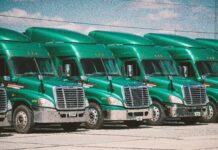
In the realm of commerce, the efficient management of a business fleet stands as a cornerstone of operational success, offering a myriad of benefits ranging from cost savings to enhanced productivity. A business fleet refers to a collection of vehicles owned or operated by a company to support its operations, whether for transporting goods, providing services, or facilitating employee mobility.
The Essence of a Business Owner
At the core of every successful business is a visionary leader—the business owner. A business owner is not just someone who owns a company; they are the driving force behind its growth, the architect of its strategy, and the custodian of its values. Whether it’s a small startup or a large corporation, the role of a business owner is pivotal in shaping the direction and success of the business.
The Backbone of Mobility
Business fleets serve as the backbone of mobility for a wide array of industries, including transportation, logistics, delivery services, and field operations. These fleets encompass a diverse range of vehicles, from cars and trucks to specialized equipment tailored to specific tasks. Their primary function is to facilitate the movement of goods, personnel, and resources efficiently and safely, thereby enabling businesses to fulfil their operational objectives with precision.
What is Telematics?
What is Telematics?, a portmanteau of “telecommunications” and “informatics,” refers to the technology that involves the transmission of data over long distances. In the automotive context, telematics involves the integration of telecommunications and information processing, enabling the transmission of real-time information about vehicles. This data can include GPS location, vehicle diagnostics, driver behavior, and more.
Applications of Telematics
Fleet Management: Telematics plays a crucial role in fleet management by providing real-time tracking of vehicles, optimizing routes, monitoring driver behavior, and improving overall efficiency.
Insurance Telematics: Insurance companies use telematics to monitor driver behavior such as speed, acceleration, and braking to offer personalized insurance premiums based on individual driving habits.
Connected Cars: Telematics enables cars to be connected to the internet, allowing for features like remote diagnostics, over-the-air updates, and enhanced infotainment systems.
Vehicle Diagnostics: Telematics systems can monitor a vehicle’s health in real-time, providing alerts for maintenance issues and potential breakdowns before they occur.
Core Principles of a Generic Business
Innovation: A generic business thrives on innovation, constantly seeking new ways to improve products, services, and processes to stay ahead of the competition and meet evolving customer demands.
Customer-Centric Approach: Putting the customer at the center of all decision-making processes is crucial for a generic business to build strong relationships, foster loyalty, and drive repeat business.
Adaptability: Flexibility and adaptability are essential traits of a generic business, enabling it to pivot quickly in response to market changes, emerging trends, and competitive pressures.
Strategic Planning: Developing a clear vision, setting goals, and formulating strategic plans are fundamental to the success of a generic business, guiding its growth and direction in the long term.
Strategies for Growth and Success
Diversification: Expanding product lines, entering new markets, or offering complementary services can help a generic business diversify its revenue streams and reduce dependence on a single market segment.
Partnerships and Collaborations: Forming strategic partnerships with other businesses, suppliers, or industry stakeholders can create synergies, unlock new opportunities, and drive growth for a generic business.
Digital Transformation: Embracing digital technologies, e-commerce platforms, and data analytics can enhance the operational efficiency, customer experience, and competitive edge of a generic business in the digital age.
Employee Development: Investing in employee training, skills development, and creating a positive work culture can empower employees to contribute effectively to the success and growth of a generic business.
Challenges and Opportunities
Managing a business fleet comes with its share of challenges, including rising fuel costs, maintenance expenses, regulatory compliance, and ensuring driver safety. However, these challenges also present opportunities for optimization and innovation. By leveraging technology such as GPS tracking, telematics systems, and fleet management software, companies can enhance route planning, monitor vehicle performance, reduce fuel consumption, and improve overall fleet efficiency.
Embracing Sustainability
In an era marked by increasing environmental awareness, sustainability has emerged as a critical consideration for business fleets. Companies are increasingly transitioning to eco-friendly vehicles, such as electric cars and hybrid models, to reduce carbon emissions and minimize their ecological footprint. Embracing sustainable practices not only benefits the environment but also enhances brand reputation and attracts environmentally conscious customers.
The Role of Data and Analytics
Data-driven decision-making is pivotal in optimizing business fleet operations. By collecting and analysing data on vehicle usage, fuel consumption, maintenance schedules, and driver behavior, companies can identify inefficiencies, predict maintenance needs, and streamline operations. Advanced analytics enable fleet managers to make informed decisions that enhance performance, reduce costs, and maximize ROI.
Future Trends and Innovations
Looking ahead, the future of business fleets is poised for transformation through emerging technologies such as autonomous vehicles, connected vehicles, and predictive maintenance systems. These innovations promise to revolutionize how fleets are managed, offering unprecedented levels of efficiency, safety, and sustainability.
Conclusion
In the dynamic landscape of modern business, managing a fleet of vehicles is more than a logistical challenge—it is a strategic imperative. By optimizing fleet operations, embracing sustainability, harnessing data-driven insights, and staying abreast of technological advancements, companies can unlock new levels of efficiency, productivity, and competitiveness. Business fleets, when managed effectively, not only drive operational success but also pave the way for a sustainable and future-ready approach to mobility in the evolving business ecosystem.
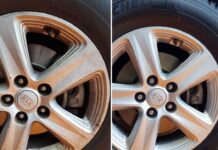
Apart from that if you want to know about “GBL Wheel Cleaner: The Ultimate Transformation for Your Rims” then please visit our “Transportation” Category.