
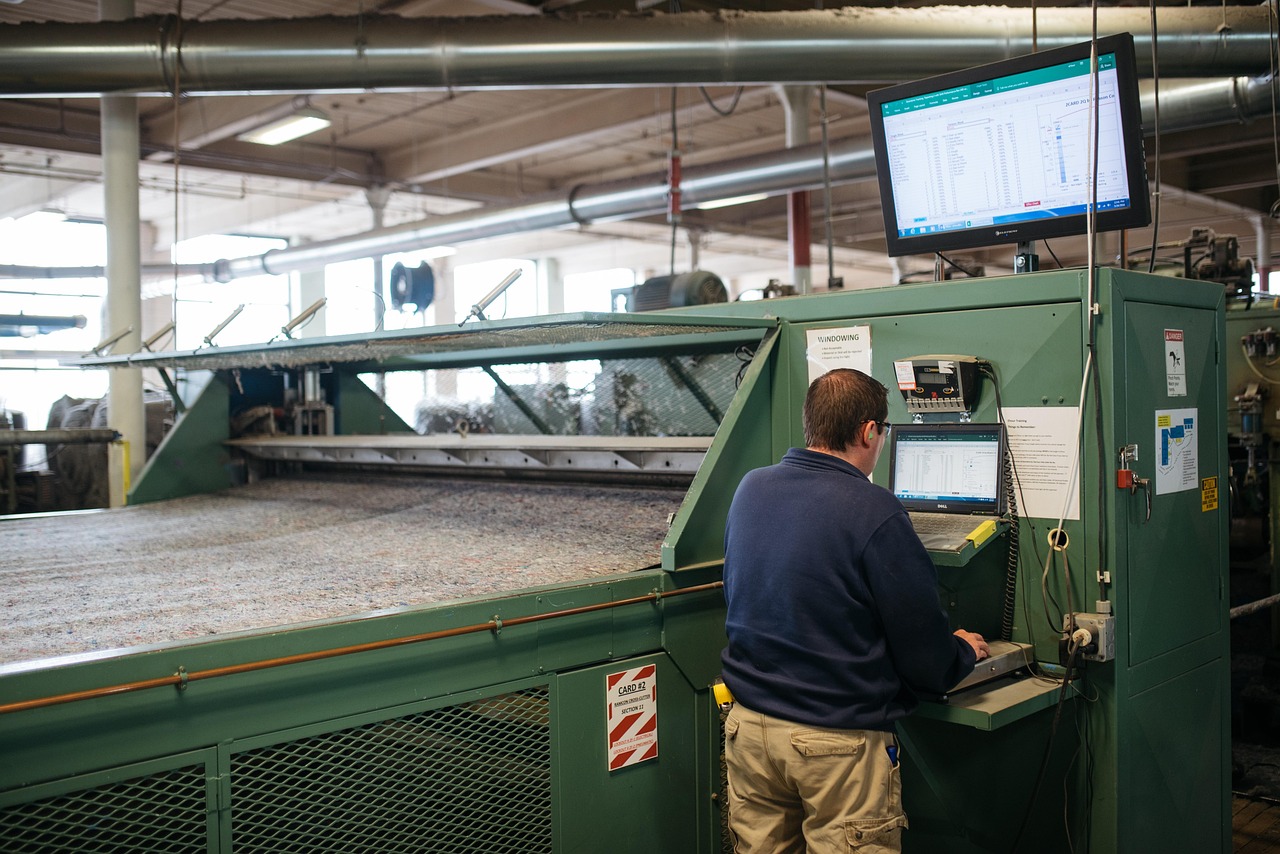
Manufacturing facilities today depend on an intricate network of specialized equipment to maintain efficient production operations. The landscape of industrial equipment has evolved significantly, with manufacturers now having access to advanced systems that improve productivity, maintain quality standards, and create safer working environments. Understanding the various types of equipment available helps facility managers make informed decisions about their operational needs. Each category of equipment serves a specific purpose while contributing to the overall success of manufacturing operations.
Steam Generation Systems for Reliable Process Heating
Manufacturing operations frequently require a consistent steam supply for various heating applications throughout production processes. Modern steam generation equipment provides the backbone for industries ranging from food processing to chemical manufacturing, where temperature control remains critical for product quality. Steam systems have evolved to offer better efficiency and more precise control compared to traditional heating methods. Companies typically source these systems through specialized industrial equipment suppliers, such as Clayton Industries, that can assess facility requirements and recommend appropriate steam generation solutions based on production demands and space constraints.
Advanced Conveyor Systems for Material Flow
Material handling forms the foundation of efficient manufacturing operations, with conveyor systems moving raw materials and finished products throughout production facilities. These automated transport solutions reduce manual labor requirements while maintaining consistent product flow between different manufacturing stages. Modern conveyor technology includes variable speed controls, automated sorting capabilities, and integration with warehouse management systems for improved tracking.
Quality Control Equipment for Product Standards
Manufacturing quality depends heavily on sophisticated inspection and testing equipment that monitors products throughout the production process. Quality control systems range from basic measurement tools to advanced automated inspection stations that use cameras and sensors to detect defects. These systems help maintain consistent product standards while reducing the likelihood of defective items reaching customers.
Comprehensive Safety Systems for Worker Protection
Worker safety remains paramount in manufacturing environments, requiring multiple layers of protective equipment and monitoring systems. Safety systems include emergency shutdown mechanisms, gas detection equipment, fire suppression systems, and personal protective equipment stations strategically placed throughout facilities. These protective measures help prevent accidents while maintaining compliance with occupational safety regulations.
Bulk Bag Filling Equipment for Product Distribution
Packaging operations require specialized equipment to handle various product types efficiently, particularly for materials that need bulk packaging solutions. Bulk bag filling systems accommodate different product characteristics, from fine powders to granular materials, while maintaining consistent fill weights and reducing product waste. These systems often integrate with existing production lines and can handle multiple bag sizes to meet diverse customer requirements. Equipment providers, such as Choice Bagging Equipment, Ltd, typically provide complete solutions including machinery, training, and technical support to optimize packaging operations.
Environmental Control Systems for Optimal Conditions
Manufacturing environments require precise control of temperature, humidity, and air quality to maintain product integrity and worker comfort. Environmental control systems include HVAC equipment, air filtration units, and specialized ventilation systems designed for specific manufacturing processes. These systems help prevent contamination while creating optimal working conditions that can improve both product quality and employee productivity.
Automated Production Control Systems
Modern manufacturing relies on sophisticated control systems that coordinate multiple pieces of equipment and monitor production parameters in real-time. These systems include programmable logic controllers, human-machine interfaces, and data collection platforms that provide visibility into production performance. Automated control technology helps reduce human error while providing detailed production data that can identify improvement opportunities.
Maintenance and Support Infrastructure
Reliable manufacturing operations depend on comprehensive maintenance programs that keep equipment running at peak performance levels. Maintenance infrastructure includes predictive monitoring systems, spare parts inventory management, and scheduled service programs designed to prevent unexpected equipment failures. These support systems help minimize production downtime while extending equipment lifespan through proper care and timely repairs.
The success of modern manufacturing operations relies heavily on selecting and maintaining the right combination of equipment systems. Each piece of equipment plays a vital role in creating an efficient production environment that meets quality standards while protecting workers. Manufacturing facilities benefit from working with experienced equipment suppliers who understand the complexities of industrial operations and can provide ongoing support services. As technology continues to advance, staying informed about equipment capabilities helps manufacturers remain competitive while meeting evolving industry demands.
If you want to know more about Radar Shelter Innovations for Modern Business Needs, then visit our Small Businesses category.