Your dentist tells you a tooth needs to come out. You assume it will be a quick pull and you move on with your life. But some extractions are not simple at all. Certain conditions require surgical intervention, specialized equipment, and recovery planning. Knowing the difference helps you prepare properly and understand why your dentist refers you to an oral surgeon for procedures like dental implants boca raton or more complex removals.
When a Tooth Cannot Come Out Easily
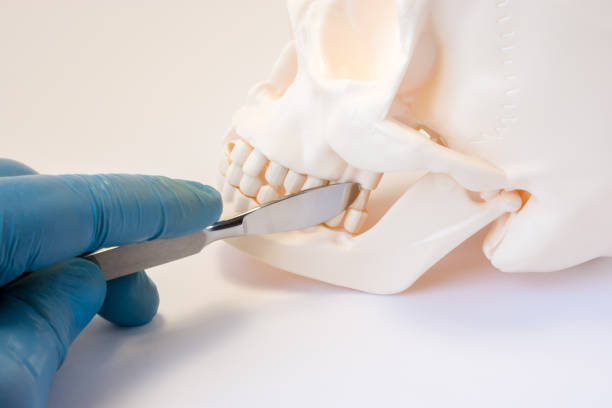
Simple extractions work when the tooth sits above the gum line and the roots are straight. The dentist grabs the tooth with forceps and removes it in one piece. But many teeth do not cooperate. Impacted teeth hide partially or completely under the gum tissue. Broken teeth leave roots behind that need surgical access to remove. Curved or hooked roots refuse to release without sectioning the tooth into pieces. Teeth fused to the jawbone require bone removal to extract. These situations demand surgical skills beyond what a general dentist provides.
Impacted Teeth That Cause Problems
Impacted teeth grow at wrong angles or never break through the gum. Wisdom teeth commonly impact against adjacent molars. Canines sometimes impact in the upper jaw. These teeth cause pain, infection, cysts, and damage to neighboring teeth. X-rays show the position and depth of impaction. If the tooth sits deep in the bone or lies sideways, you need surgical extraction. The surgeon makes an incision, removes bone if necessary, sections the tooth, and extracts it in pieces. Many patients require wisdom teeth removal boca raton because general dentists cannot safely access deeply impacted teeth.
Broken Teeth Below the Gum Line
Teeth break from decay, trauma, or failed root canals. When a tooth breaks at or below the gum line, standard forceps cannot grip what remains. The visible portion crumbles away but the roots stay embedded in bone. Surgical extraction becomes necessary. The surgeon opens the gum tissue, exposes the root fragments, and removes them completely. Leaving root pieces behind leads to infection and abscess formation. This procedure takes longer than simple extraction and requires sutures to close the surgical site.
Teeth with Complex Root Systems
Molars have multiple roots that can curve, diverge, or hook at the tips. Premolars sometimes surprise dentists with extra roots. When roots spread widely or curve sharply, simple extraction fails. Forcing the tooth out breaks the roots and leaves pieces behind. Surgical intervention allows controlled removal. The surgeon may section the tooth into separate pieces, removing each root individually. This approach prevents root fractures and ensures complete extraction without excessive force that could fracture your jaw.
Teeth Fused to Bone
Ankylosis occurs when tooth roots fuse directly to jawbone without the normal ligament layer. This happens after trauma, infection, or in primary teeth that never fell out. Ankylosed teeth do not budge with normal extraction techniques. They require surgical bone removal around the roots to free the tooth. The procedure is more invasive than standard extraction and healing takes longer. Your general dentist identifies ankylosis through x-rays and clinical examination before referring you for surgical care.
Infection and Abscess Complications
Severe infection around a tooth complicates extraction. Pus and inflammation make anesthesia less effective. Infected tissue tears easily and bleeds heavily. The infection can spread during extraction if not managed properly. Oral surgeons handle infected extractions with antibiotic protocols, advanced pain control, and surgical drainage techniques. If you have facial swelling, fever, or intense throbbing pain, you need evaluation beyond what a general dental office provides. Patients who also see a sleep apnea doctor boca raton should mention any breathing concerns that worsen with facial swelling.
Limited Mouth Openings
Some patients cannot open their mouth wide enough for standard dental instruments. This happens with TMJ disorders, trismus from infection, or anatomical limitations. Surgical extraction under sedation or general anesthesia solves the access problem. The surgeon can work effectively while you remain comfortable and still. General dentists lack the facilities and credentials for these sedation levels.
Proximity to Nerves and Sinuses
Lower wisdom teeth sit close to the inferior alveolar nerve that provides sensation to your lip and chin. Upper molars have roots near the maxillary sinus. Extracting these teeth without proper imaging and surgical technique risks nerve damage or sinus perforation. Cone beam CT scans show exact nerve and sinus positions. Oral surgeons use this information to plan safe removal paths. They handle complications if they occur during surgery. General dentists refer these cases to avoid preventable injuries.
Medical Conditions That Increase Risk
Certain health conditions make even routine extractions complicated. Uncontrolled diabetes slows healing and increases infection risk. Blood thinners raise bleeding concerns. Bisphosphonate medications used for osteoporosis can cause jaw bone death after extraction. Immune system disorders compromise your ability to fight infection. Radiation therapy to the head or neck changes bone quality. Oral surgeons coordinate with your medical doctors to manage these risks safely.
When Multiple Teeth Need Removal
Removing several teeth at once requires careful planning. You need adequate sedation for comfort. The surgeon must manage bleeding from multiple sites. Post-operative swelling affects larger areas. Recovery demands more time off work. Oral surgeons handle full mouth extractions routinely and know how to sequence removal for optimal healing. They provide the sedation levels needed for longer procedures.
Preparing for Implants or Dentures
If you plan to replace the extracted tooth with an implant or denture, surgical extraction offers advantages. The surgeon can preserve bone, place grafting material, or even place an immediate implant at the time of extraction. This integrated approach reduces the total number of procedures you need. General dentists extract the tooth but cannot provide these additional services in the same visit. This streamlines your treatment timeline and improves long term outcomes.
Recognizing the Warning Signs
You know you need surgical extraction when your dentist mentions impaction, difficult anatomy, or refers you to a specialist. Trust that referral. Attempting simple extraction on a surgical case leads to broken roots, extended chair time, excessive trauma, and incomplete removal. You end up at the oral surgeon anyway but now with complications. Start with the right provider and avoid unnecessary problems.
Taking the Next Step
If your dentist recommends surgical extraction, schedule a consultation with an oral surgeon. Bring your x-rays or have your dentist send them ahead. Ask about sedation options, expected recovery time, and costs. Understand what makes your case surgical rather than simple. The consultation gives you information to make informed decisions about your care and timing. Do not delay treatment hoping the problem resolves on its own. Scheduling tooth extraction boca raton with an experienced oral surgeon ensures you receive appropriate care from the start and avoid complications that come from attempting simple extraction on cases that require surgical expertise.